

ACHILLE RONAIMOU
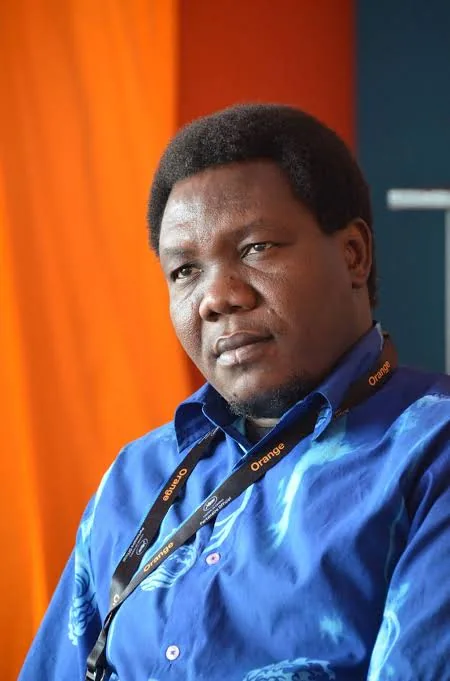
BIO
Adoumbaye Ronaimou (also known as Achille Ronaimou, N’Djaména, 1978) is a Chadian film director, screenwriter, and producer, and one of the emerging voices of contemporary African cinema. His work spans fiction and documentary, often exploring social realities, injustice, and human experience withing Chadian society. Active since the early 2010s, his films have screened at major international film festivals, including FESPACO, Africa’s leading film festival. Among his socially engaged short films and documentaries are 8 Mars (2019), which was included in the official selection at Cinémas d’Afrique de Lausanne, Kadbor (2014), Mineurs en prison (2013) and Kanoun (2012). He’s also directed the TV series Le Chômeur (2011). His feature film debut with Diya (2025, Spanish premiere in AFRIKALDIA), premiered at TIFF and has received significant international recognition, marking a milestone for Chadian cinema and establishing Ronaimou as a filmmaker with a growing global presence.
FILMOGRAPHY
Diya (2025). Feature film (96’).
8 mars (2019). Short fiction film (10’).
Kadbor (214). Short fiction film (26’).
Mineurs en prison (2013). Documentary short (16’).
Kanoun (2012). Documentary short (13’).
Le Chômeur (2011). TV Series.
STATEMENT
Diya is primarily a story of geography and religious confession. The setting and attire are characters in their own right. Following a civil war in 1979 in Chad, pitting southern Christians against northern Muslims, the population remained divided and dispersed according to their geographic and religious affiliations. Thus, in N’Djamena, there are northern neighborhoods inhabited by Muslims, characterized by religious austerity, where one can hear the calls of the muezzin for the 5am daily prayers. Women are all veiled and covered from head to toe, and men wear long boubous. However, in the southern neighborhoods inhabited by Christians, one will find bars, nightclubs, churches, and men and women proudly strolling the streets in Western attire. Therefore, one can never speak of Diya without referencing these very important details.